
Attic insulation · Middle Tennessee
Attic Insulation in Murfreesboro & Middle Tennessee
A lot of Middle Tennessee attics, especially in houses built before the 2000s, are sitting on four to six inches of settled, patchy insulation, about half of what Tennessee's energy code asks of a new house. We blow in cellulose to R-38 or better, top up what you have, or remove old and contaminated insulation, sanitize the attic, and start clean. Free attic inspection with photographs, written estimate before we leave your driveway.
- Blown-in cellulose, R-38 and up
- Top-ups over sound existing insulation
- Removal of old, wet or rodent-damaged material
- Attic sanitized before new insulation goes in
- Locally owned, based in Murfreesboro
- Written estimate on site, every time
Left: 4 in, about R-10 to R-14, what is there nowRight: 12 in, R-38 to R-49, after the top-up
Four ways we handle an attic
Blown-in insulation
Loose-fill cellulose blown across the whole attic floor to the depth your target R-value needs. It fills around wiring, ducts and odd framing where batts leave gaps, and it settles into a dense, even blanket.
New or bare atticsTop-up over existing
If what is up there is dry, clean and simply too thin, we leave it in place and blow new cellulose over it. Adding 6 to 8 inches on top of an old 4-inch layer is one of the cheapest energy upgrades an older house can make.
The most common jobOld insulation removal
Insulation that has been soaked by a roof leak, tunnelled by rodents, or crushed and blackened by years of dust is pulled out with an insulation vacuum, bagged and hauled off. Nothing new goes in over a problem.
Wet, damaged or contaminatedAttic sanitizing
After a removal, the attic floor and framing get a sanitizing treatment before anything new is installed, so you are not sealing years of droppings, dust and odor under a fresh blanket.
After removalsHow deep should attic insulation be in Tennessee?
All of Middle Tennessee sits in climate zone 4. Tennessee's statewide residential energy code, the 2018 IECC with state amendments, sets R-38 as the ceiling minimum for a new house here, and ENERGY STAR's current recommendation for an existing home in zone 4 is higher still: R-49 if you already have three or four inches, and R-60 for an attic that was never insulated. With cellulose that works out to roughly 10½ inches of settled depth for R-38, about 13½ for R-49, and 16 for R-60. Most houses built from the 1960s through the 1990s started well below that and have settled since.
- 4 inabout R-14 · a typical 1980s attic
- 10½ inR-38 · Tennessee code minimum for new homes
- 13½ inR-49 · ENERGY STAR, attic with 3–4 in already
- 16 inR-60 · ENERGY STAR, attic with none
Signs your attic insulation is not doing its job
- Upstairs bedrooms run several degrees hotter than downstairs all summer, no matter where the thermostat is set
- The air conditioner runs almost continuously from June to September
- You can see the tops of the ceiling joists from the attic hatch, which means the insulation is below code depth
- Dark, dirty streaks in the insulation around can lights, top plates and the hatch, a sign of air moving through it
- Tunnels, nests or droppings in the insulation from mice, rats, squirrels or raccoons
- Insulation that got soaked by a roof or HVAC leak and never dried, or that is matted flat and gray
- Rooms right under the attic are the coldest in the house in January
- A bathroom exhaust fan that dumps into the attic instead of outside, wetting the insulation under it
How we insulate an attic
- Measure what is thereWe go into the attic, measure the existing depth in several spots, identify the material, and look for the things that decide whether it can stay: moisture, mold staining on the sheathing, animal activity, and fans venting into the attic. You get photographs of all of it.
- Decide: top up, or removeDry, clean, simply thin insulation stays and gets covered. Wet, contaminated or crushed material comes out. We tell you which, and why, in the written estimate before we leave.
- Remove and sanitize, if neededOld insulation is vacuumed out, bagged and hauled off, then the attic floor and framing are treated with a sanitizing spray before anything new goes in.
- Blow in the celluloseLoose-fill cellulose is blown evenly across the whole attic to the installed depth your target R-value needs, worked into the corners and out to the eaves without choking the soffit vents.
- Walk-through with photographsYou see the finished depth with your own eyes, and you get after photographs to keep with the estimate.
Top up, or take it all out?
| What we find | What we do | Why |
|---|---|---|
| Dry, clean, just too thin | Top up over it | Old insulation still has R-value. Burying it under new cellulose costs less than removing it and performs the same. |
| Rodent tunnels, nests or droppings | Remove, sanitize, re-insulate | Contaminated insulation holds odor and allergens, and covering it seals the problem into the house. |
| Soaked by a roof or HVAC leak | Fix the leak first, then remove and replace | Wet insulation has lost most of its R-value and feeds mold on the framing. New material over it just gets wet too. |
| Vermiculite (pebbly, gray-gold mineral fill) | We stop and tell you | Vermiculite from before 1990 can contain asbestos. It needs a licensed abatement contractor, not an insulation crew, and it must not be disturbed. |
| Batts installed paper side up, or doubled | Usually remove the top layer | A vapor retarder in the middle of the stack traps moisture. We correct the stack before adding depth. |
Why we blow in cellulose
Cellulose is made largely from recycled paper fiber, treated for fire resistance, and installed loose so it flows around wiring, junction boxes, plumbing vents and the odd framing every older attic has. Where batts leave gaps and voids at every obstruction, a blown-in blanket is continuous, and its density slows the air movement that quietly robs fiberglass of its rated value on a windy January night. It is also the fastest way to add depth: a crew can take a whole attic from four inches to twelve in a day, without pulling up a single board.
The attic and the crawl space are the two ends of the same system. Warm air rises out of the house through the attic and pulls replacement air in through the crawl space below, which is why a leaky crawl space feeds a leaky attic and the house never feels right until both are handled. If you are already having us encapsulate the crawl space, adding the attic while the crew is there is usually the best value on the estimate.
What attic insulation costs
Attic insulation is quoted with the job, after we have been in the attic. What moves the number is the square footage of the attic floor, how deep the existing insulation is against the depth you want, whether anything has to be removed and sanitized first, and how cut-up the attic is with ductwork, knee walls and hips. A straightforward top-up on a single-story ranch is one of the least expensive things we do; a full removal under a leaky roof is not. Either way the price is written down and handed to you before we leave the driveway, and the inspection is free.
Attic insulation questions
How much attic insulation do I need in Tennessee?
Every Middle Tennessee county is in climate zone 4, where Tennessee's residential energy code sets R-38 as the ceiling minimum for new construction. ENERGY STAR recommends more for an existing home in zone 4: R-49 if the attic already has three or four inches, and R-60 if it has none. In blown-in cellulose that is roughly 10½, 13½ and 16 inches of settled depth.
Can you add new insulation on top of the old?
Yes, as long as the old insulation is dry, clean and free of animal activity. Blowing cellulose over old fiberglass batts or loose fill is standard practice and keeps the R-value you already paid for. We do not top over wet, moldy or rodent-contaminated material, and we never cover vermiculite.
Is there a tax credit for attic insulation in 2026?
Not a federal one. The Energy Efficient Home Improvement Credit (Section 25C) that covered insulation ended for work placed in service after December 31, 2025. Some TVA local power companies run attic insulation rebates through TVA's EnergyRight contractor network, so it is worth asking your utility what is current. This is not tax advice.
How long does attic insulation take?
Most top-ups are finished in a day. Removal jobs take longer because the old material has to be vacuumed out, bagged and hauled off and the attic sanitized before the new insulation goes in, so plan on one to two days for those.
Will it make my upstairs cooler in summer?
That is usually why people call. On a 95-degree July afternoon a Middle Tennessee attic can run well past 120°F, and a thin layer of insulation lets that heat soak straight into the bedrooms below. Bringing the attic to R-38 or better slows that down a lot. Ductwork running through the attic and air leaks at can lights and the hatch also matter, and we will point those out when we are up there.
Do you remove rodent-contaminated insulation?
Yes. The insulation is vacuumed out, bagged and hauled off, the attic floor and framing are sanitized, and then new cellulose goes in. If animals are still getting into the attic, that has to be stopped first or the new insulation goes the same way, and we will tell you if we see signs of it.
Does insulation alone fix a hot, humid attic?
Insulation slows heat; it does not move moisture. If the sheathing is stained, a bath fan is venting into the attic, or the soffit vents are packed shut, we tell you before the job rather than bury the problem. Attics in our climate need insulation and ventilation to work together.
Free attic inspection, written estimate before we leave
We measure the depth, photograph what we find, and hand you a written number in the driveway. No phone quotes, no callback three days later.
Call (615) 436-2739 Book OnlineSame crew, same standards
The crew that has been under 70+ Middle Tennessee homes
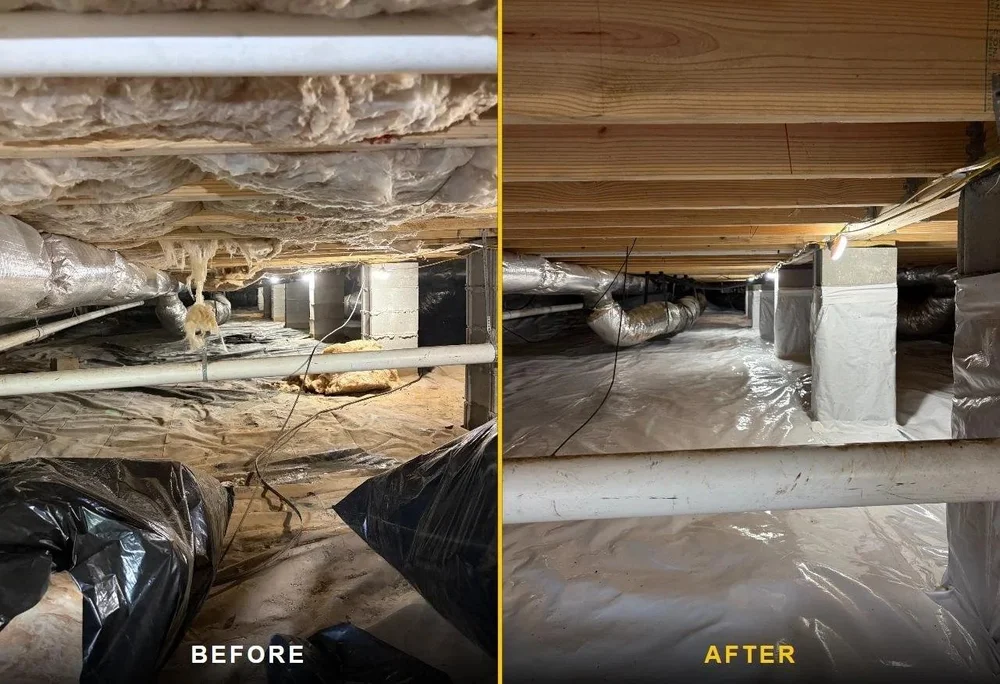
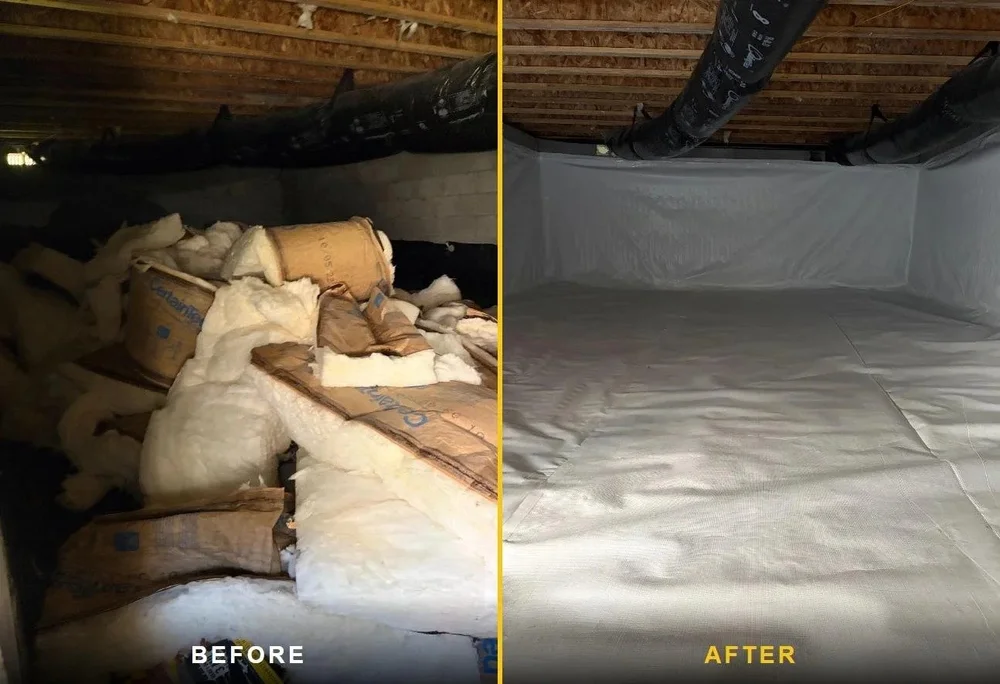
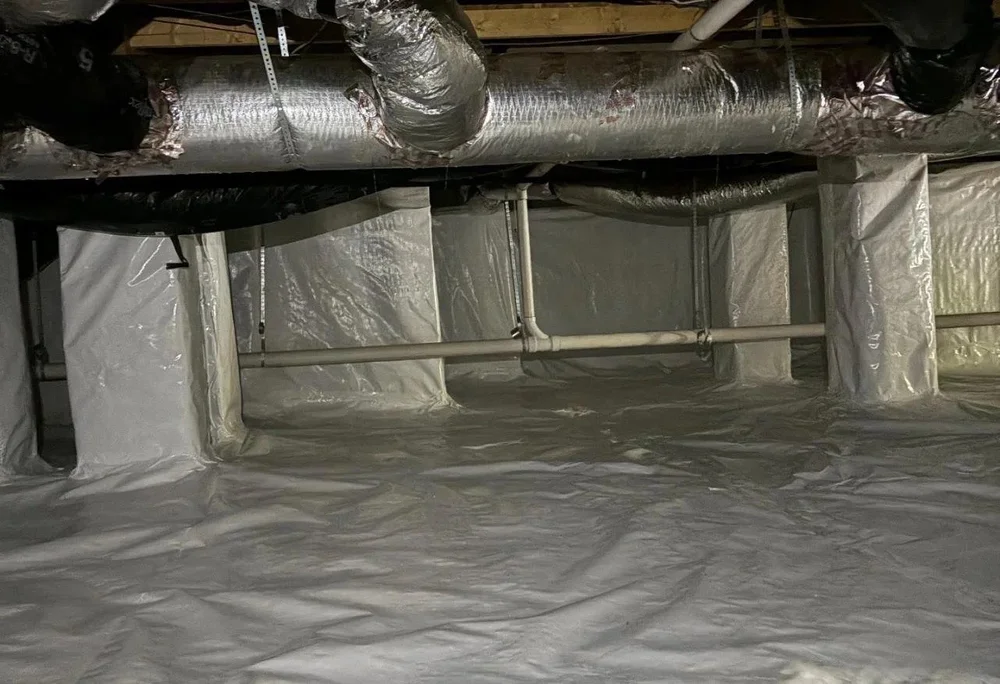
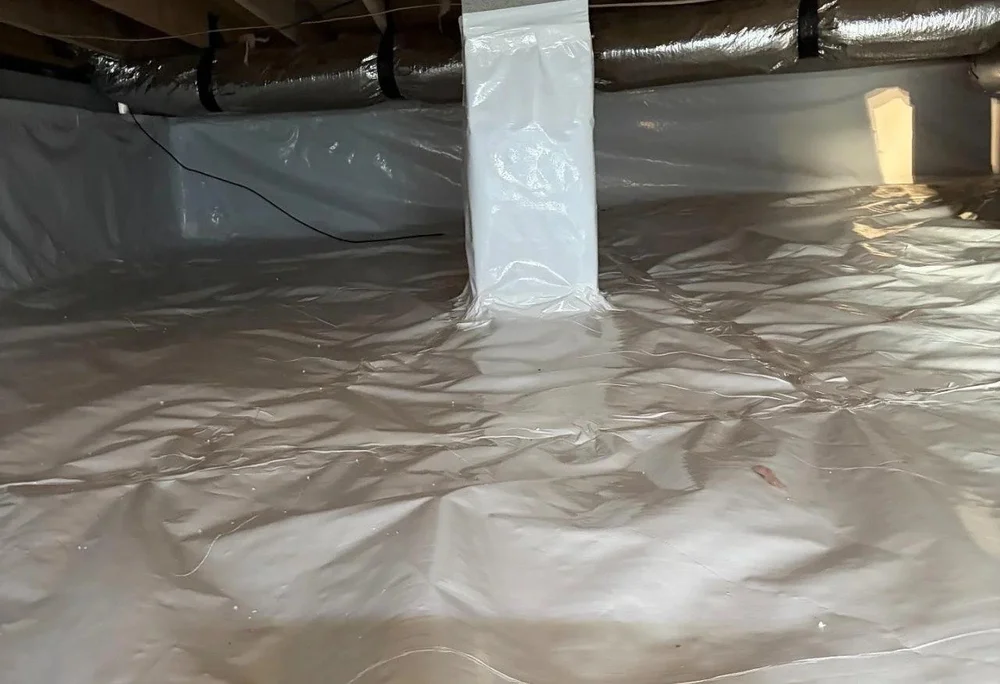
Related: Crawl space insulation · Crawl space encapsulation · Vent sealing · Crawl space dehumidifiers · All services
We insulate attics across Middle Tennessee: Murfreesboro · Smyrna · Nashville · Franklin · Brentwood · Hendersonville · Mt. Juliet · Lebanon · Columbia · Spring Hill · Cookeville · all service areas